Machino Community School Minami Aoyama
Designing the Early Childhood Environment as a Visible Curriculum
Partner
Natural Smile Japan, Inc. / Machino Research Institute, Inc.
Role
Collaborative Pedagogical Research | Research, Editorial Development & Design
Space Design
ALTEMY — "Landscape of Sensibility"
Period
January 2024 (pre-opening) — present
Publication
Listening to Space: The Early Childhood Environment as a Visible Curriculum (digital edition, February 2025)
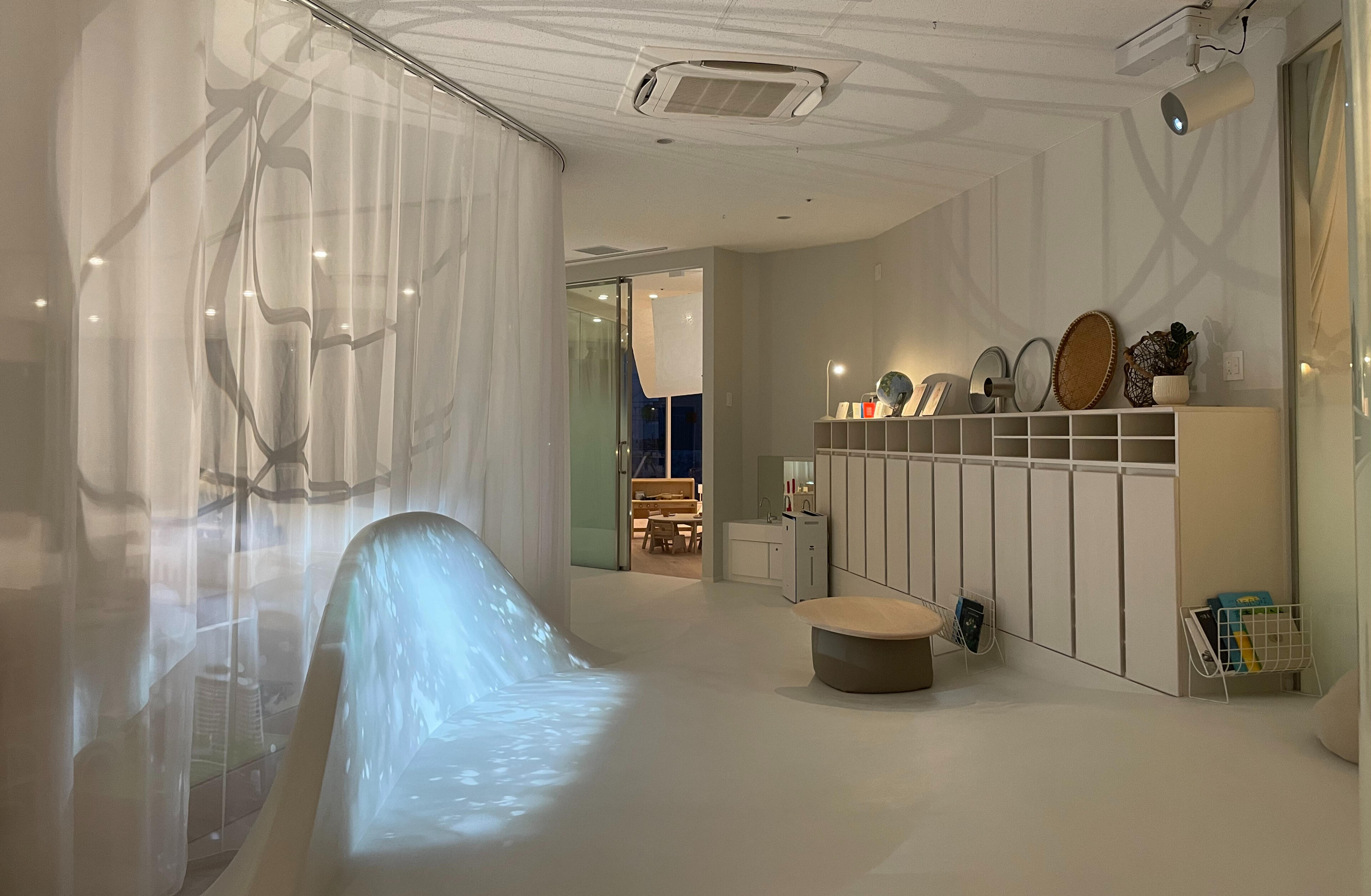
Minami Aoyama, Tokyo. A nursery hidden inside a building. The environment of Machino Community School Minami Aoyama, designed by ALTEMY as a 'Landscape of Sensibility,' guided by the concept of embodied knowing. Every line curves. Every form invites a different kind of presence.I have been working alongside a newly gathered team of educators to design the curriculum, including their pedagogical environment.
A year of inquiry, gathered into a booklet.
Listening to what the space already knows
What kind of personality does each space in this school hold?

Sound room
2024.03
Light room
2024.03
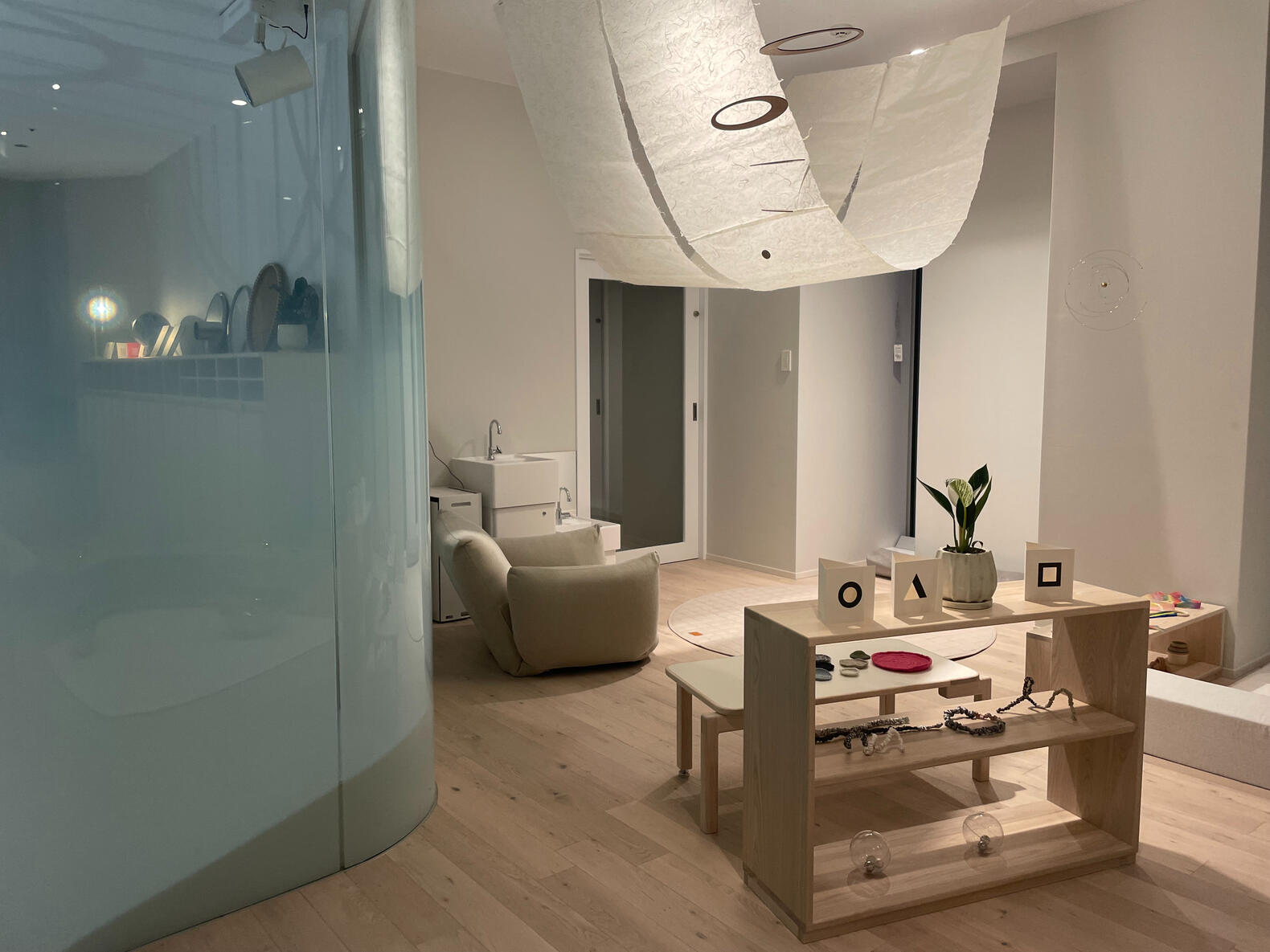
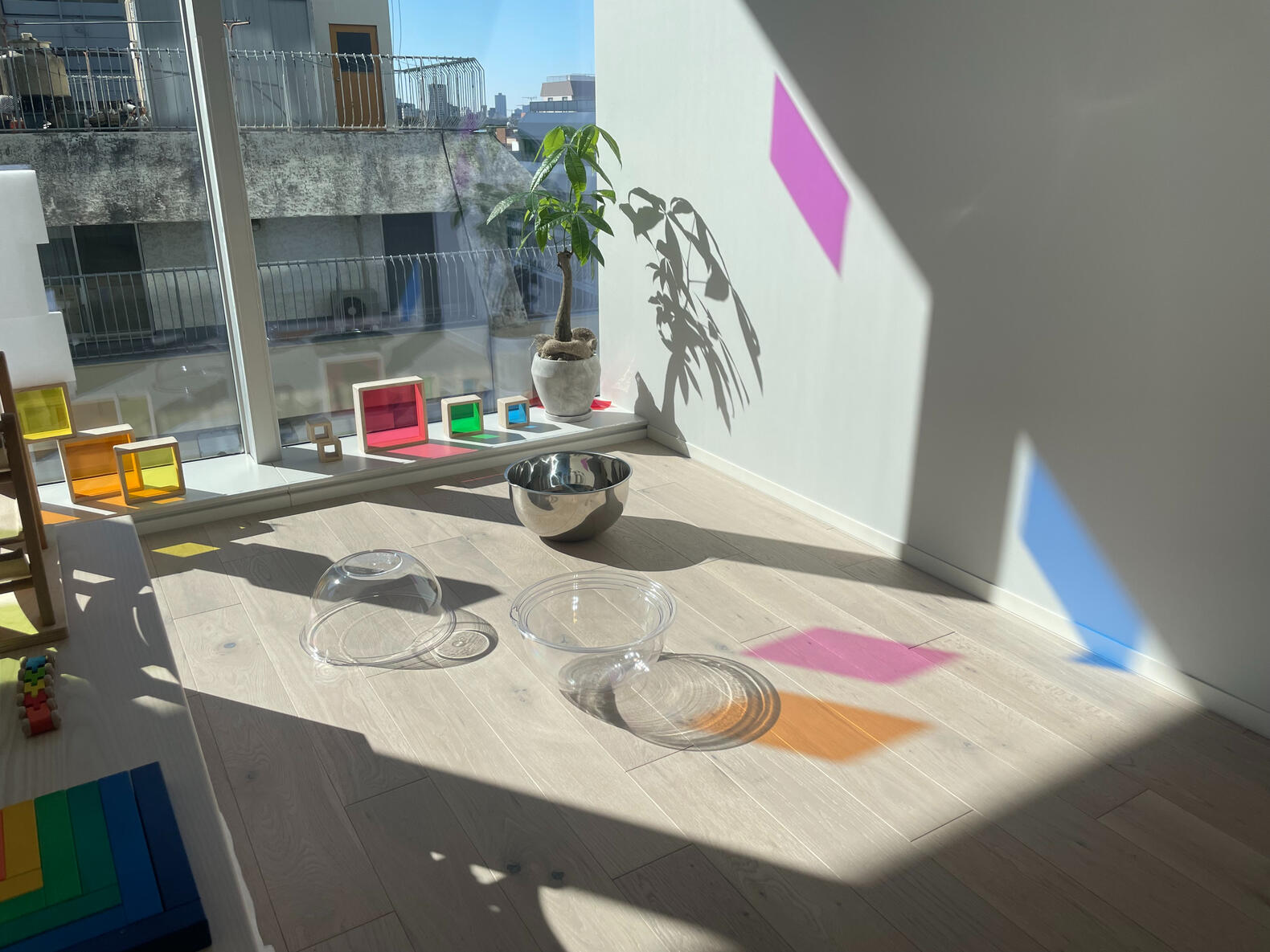
We came to know the new school through the body — moving through it with awareness of what we felt: crouching, lying down, moving slowly, reading the space with our bodies, noticing the temperature and texture of the surfaces. What emerged was a picture of a place made of contrasts. Rather than smoothing those contrasts away, we chose to celebrate them — as the personality of each place.
At the same time, we discussed the school's philosophy and annual focus, articulating them in our own expressions and choices of representation.
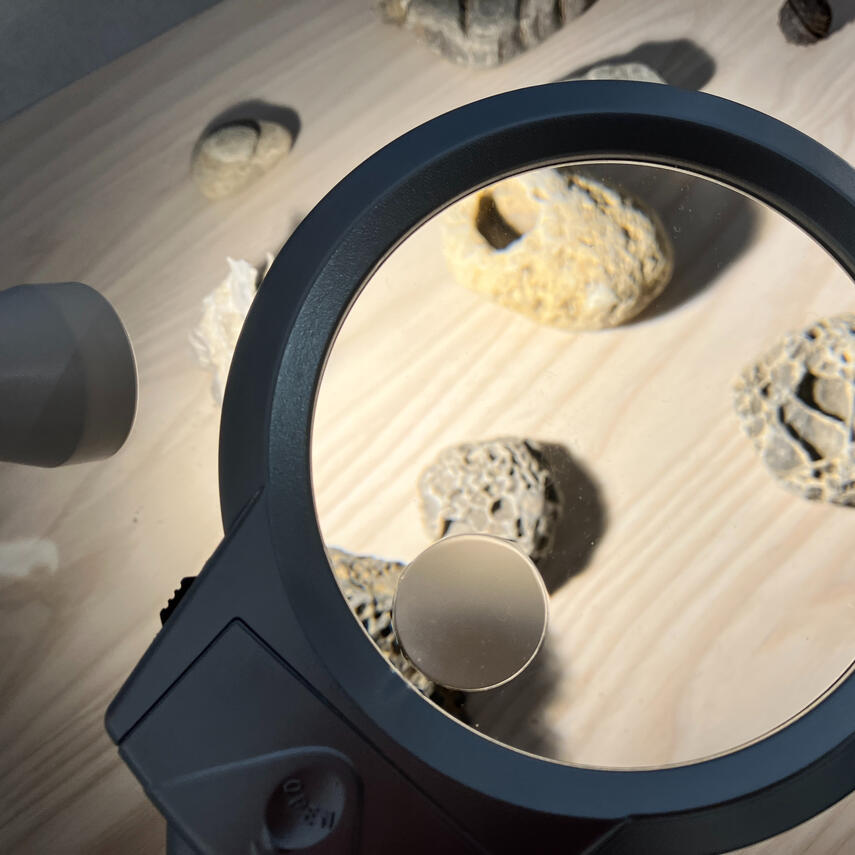
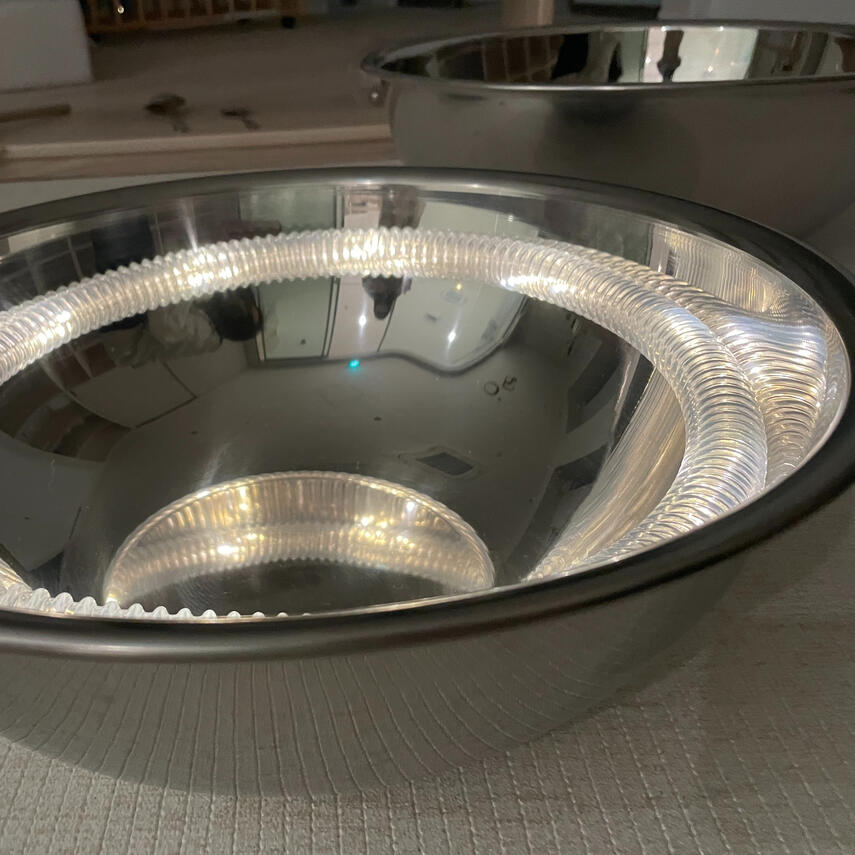
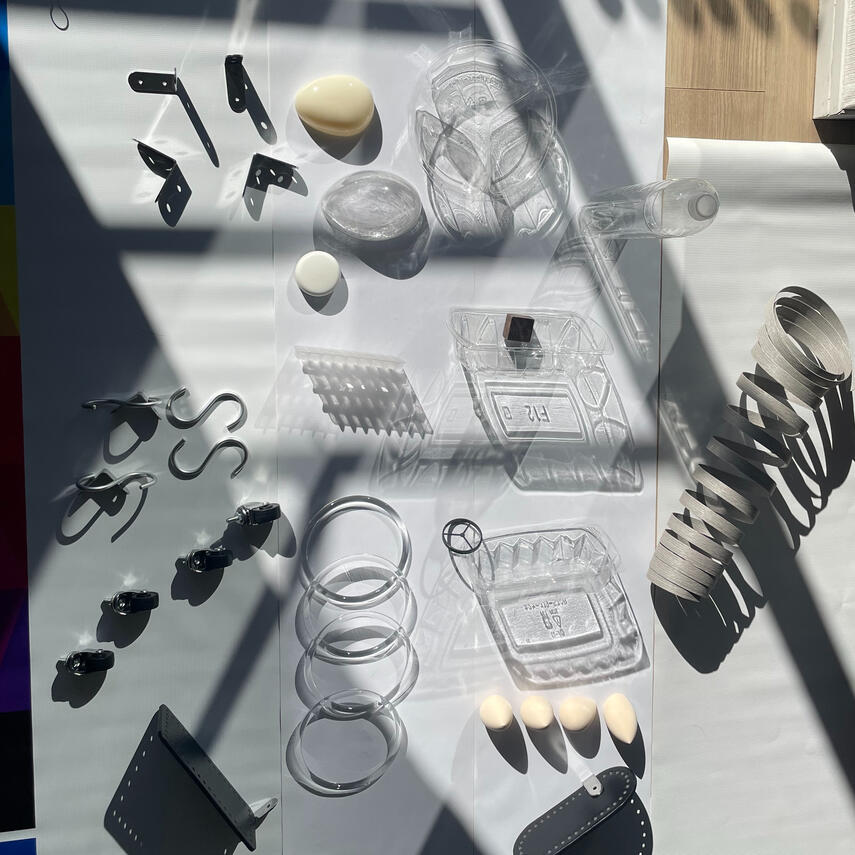
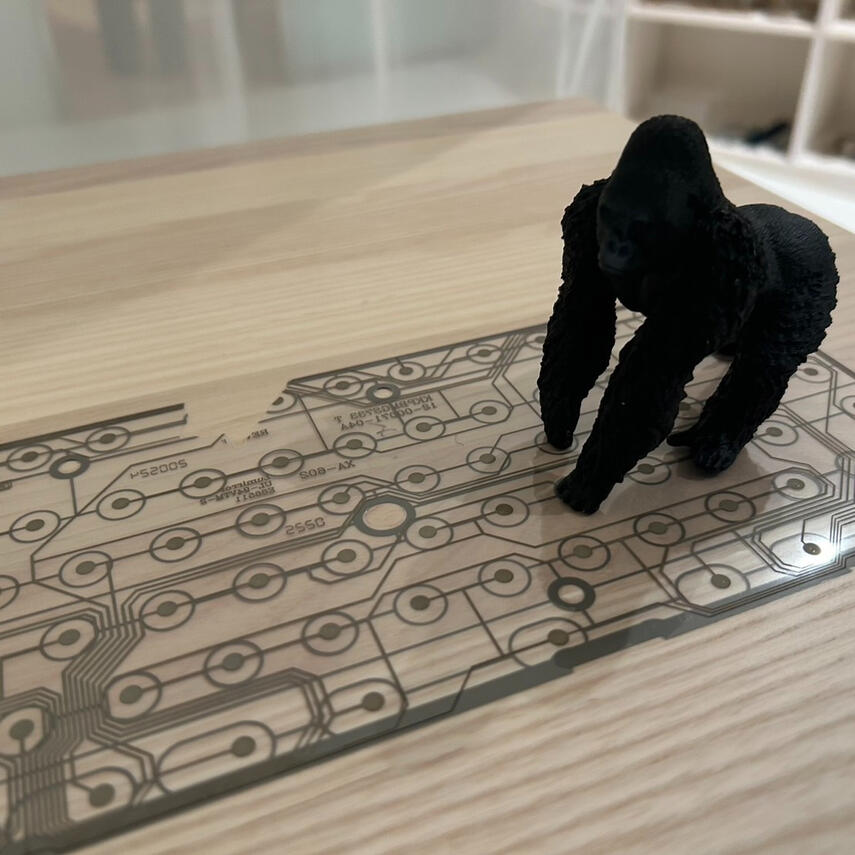
Moving through that process together, I began selecting materials as companions for the children who were about to arrive.

1
1
1
1
1
1
What materials might become friends with each space?
Who might help this environment's particular character shine?
These were the questions that guided our thinking as we considered how each material might find its place.
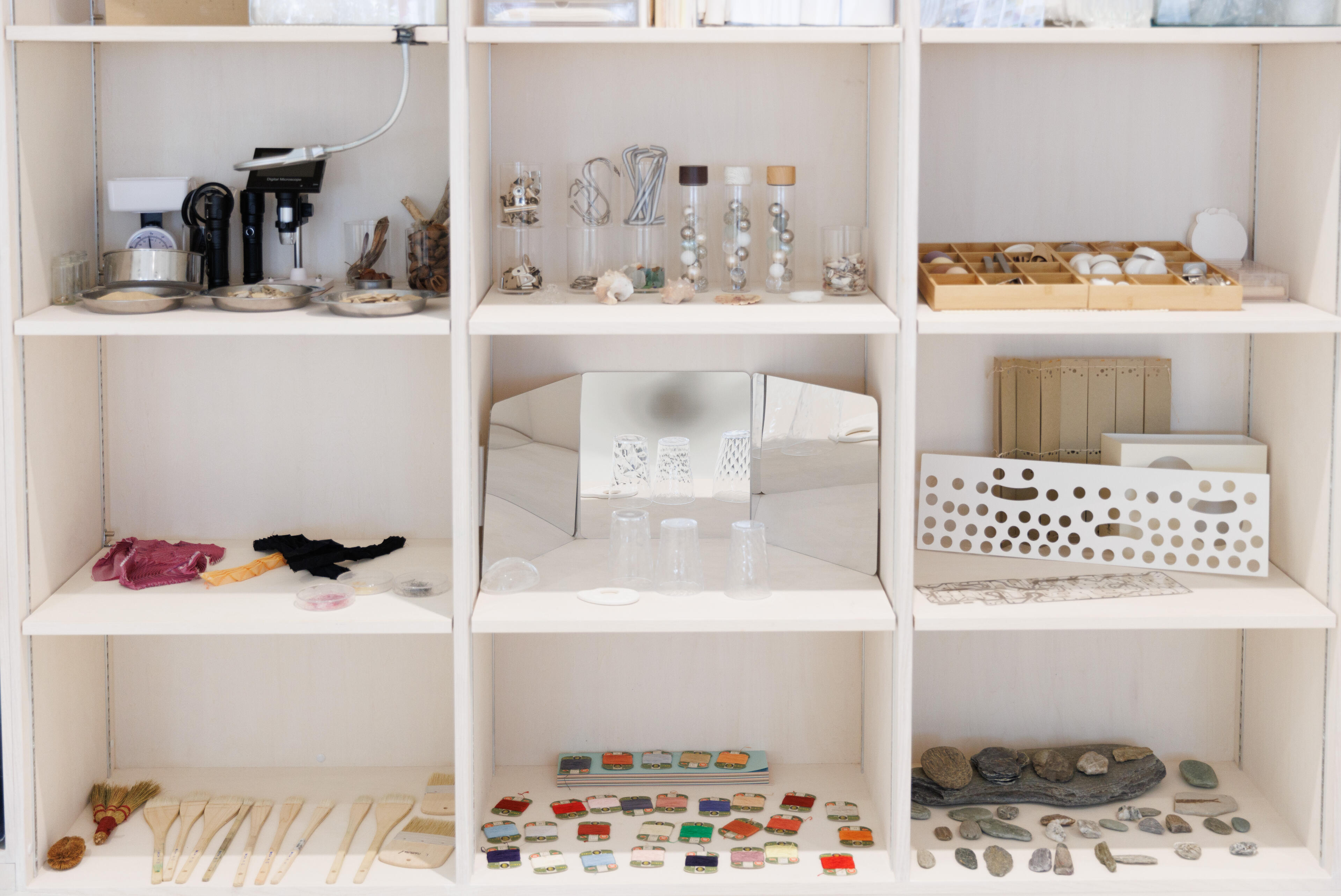
At the heart of this project was a way of seeing the environment as a visible curriculum. Children, educators, families, and the physical environment — its spaces and materials — exist in relationship with each other. Not using or being used, but calling to one another, listening, holding a relationship. The environment as subject of learning, as partner, as traces.
How do we get to know each other, and how do we share the values of such relationship with each other?
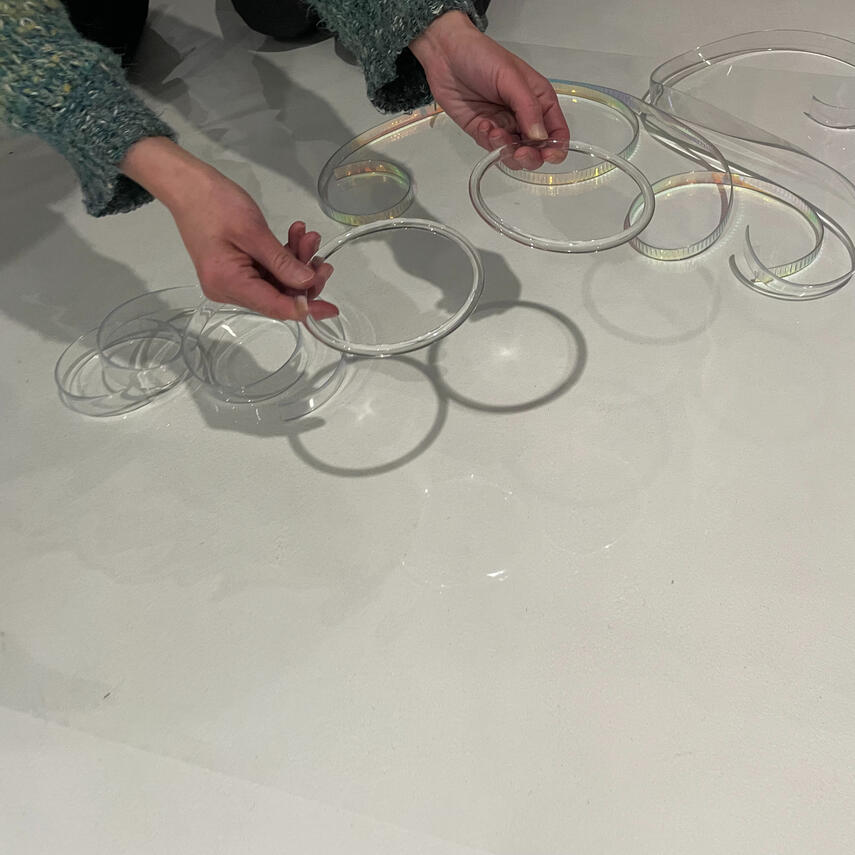
So we met the materials ourselves first.We conducted materials studies — an important dimension of professional development.

1

1
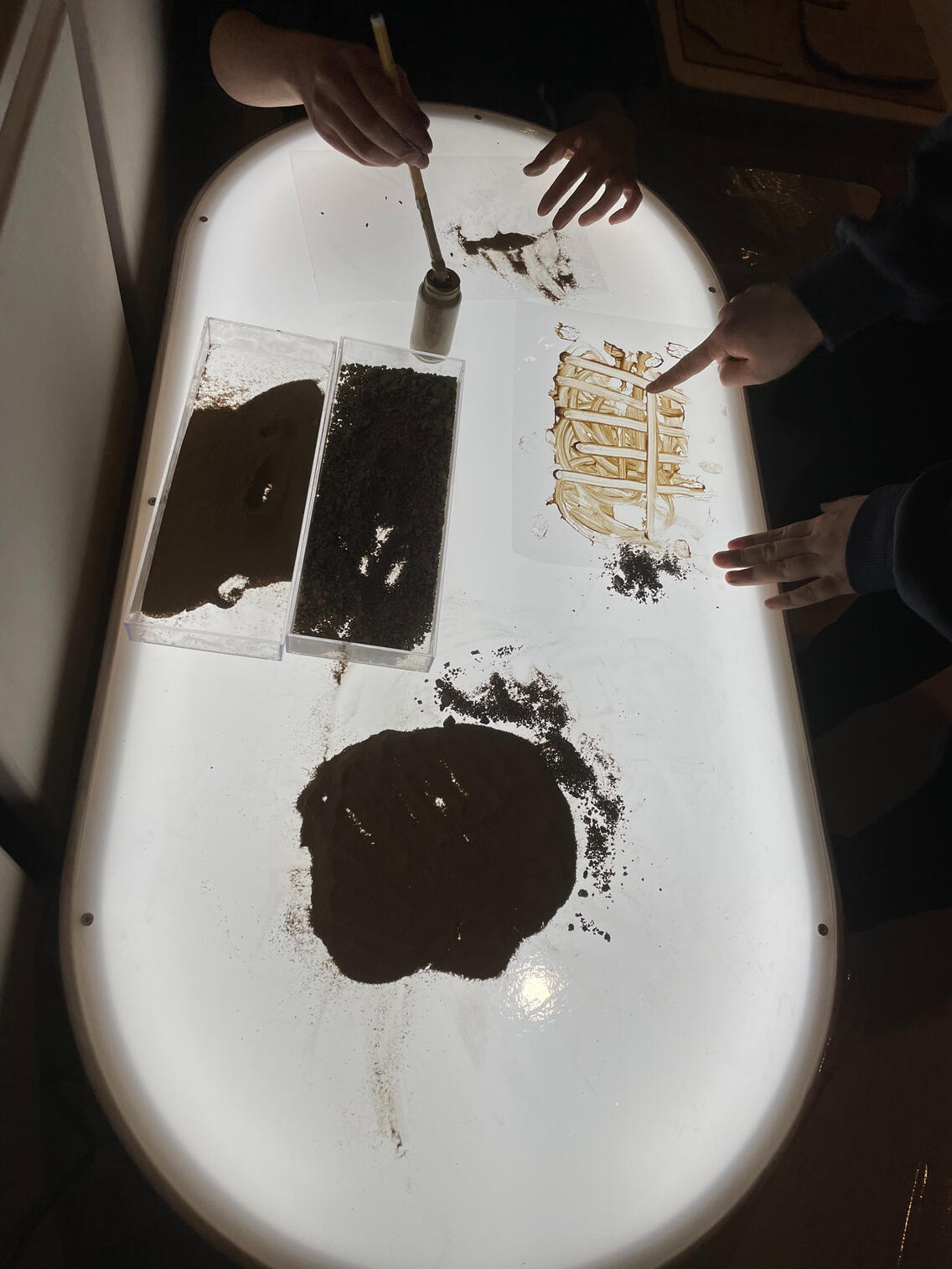
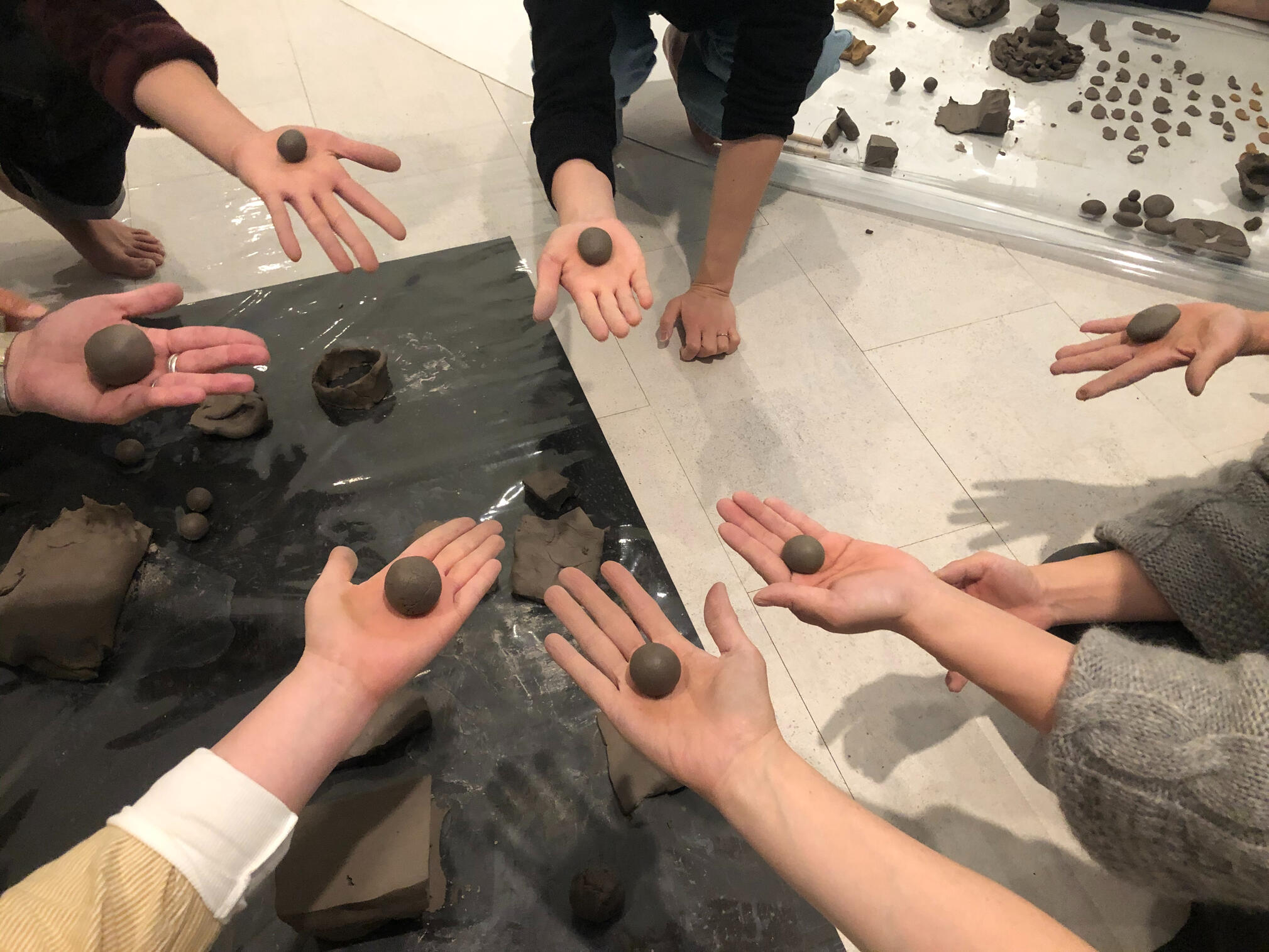
After opening, we have been documenting and co-interpreting how the children have been reading, conversing with, and inhabiting this distinctive environment.
How does the lens of embodied knowing that this space proposes shape what the educators notice and how they respond?

1

1
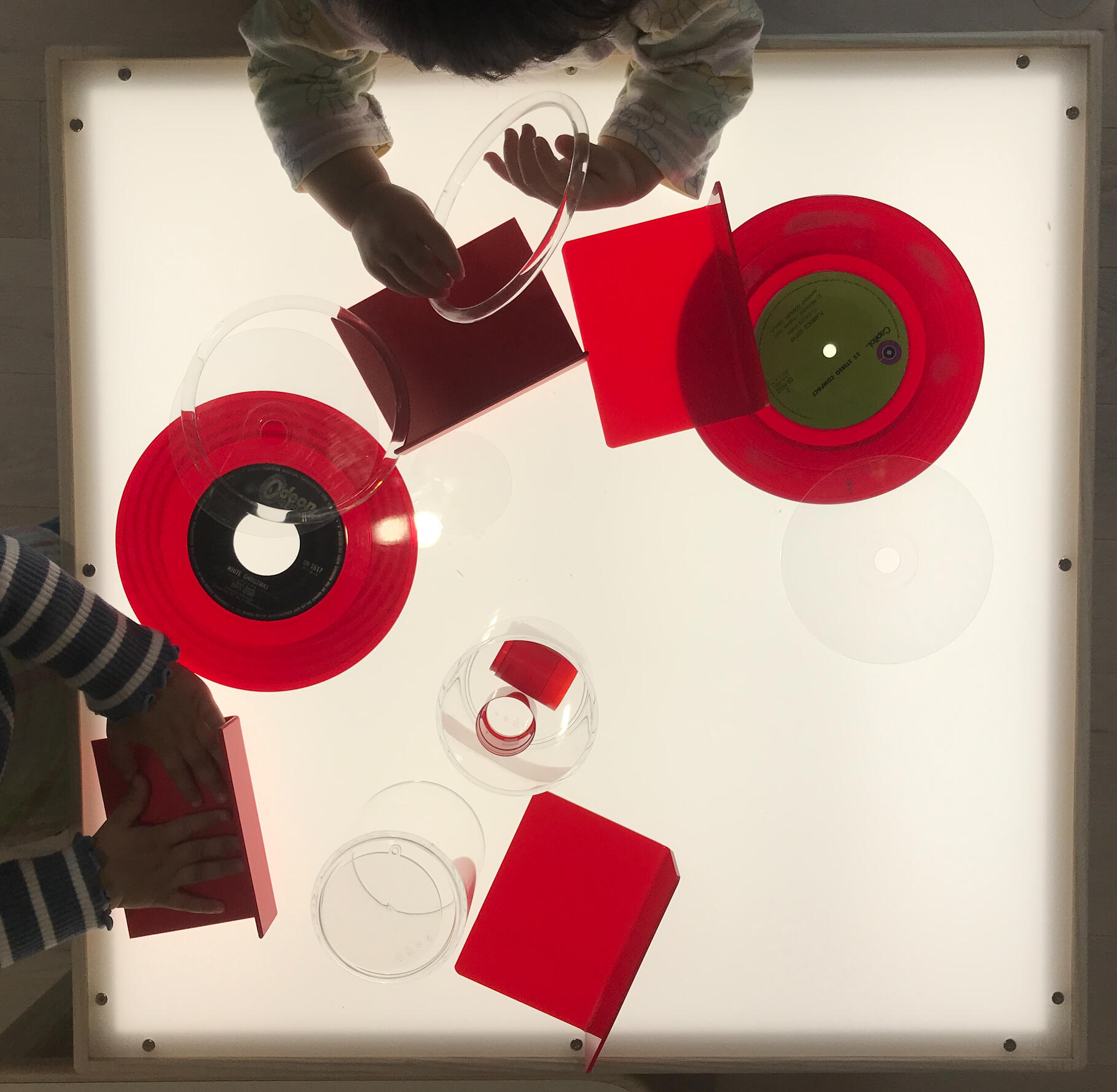
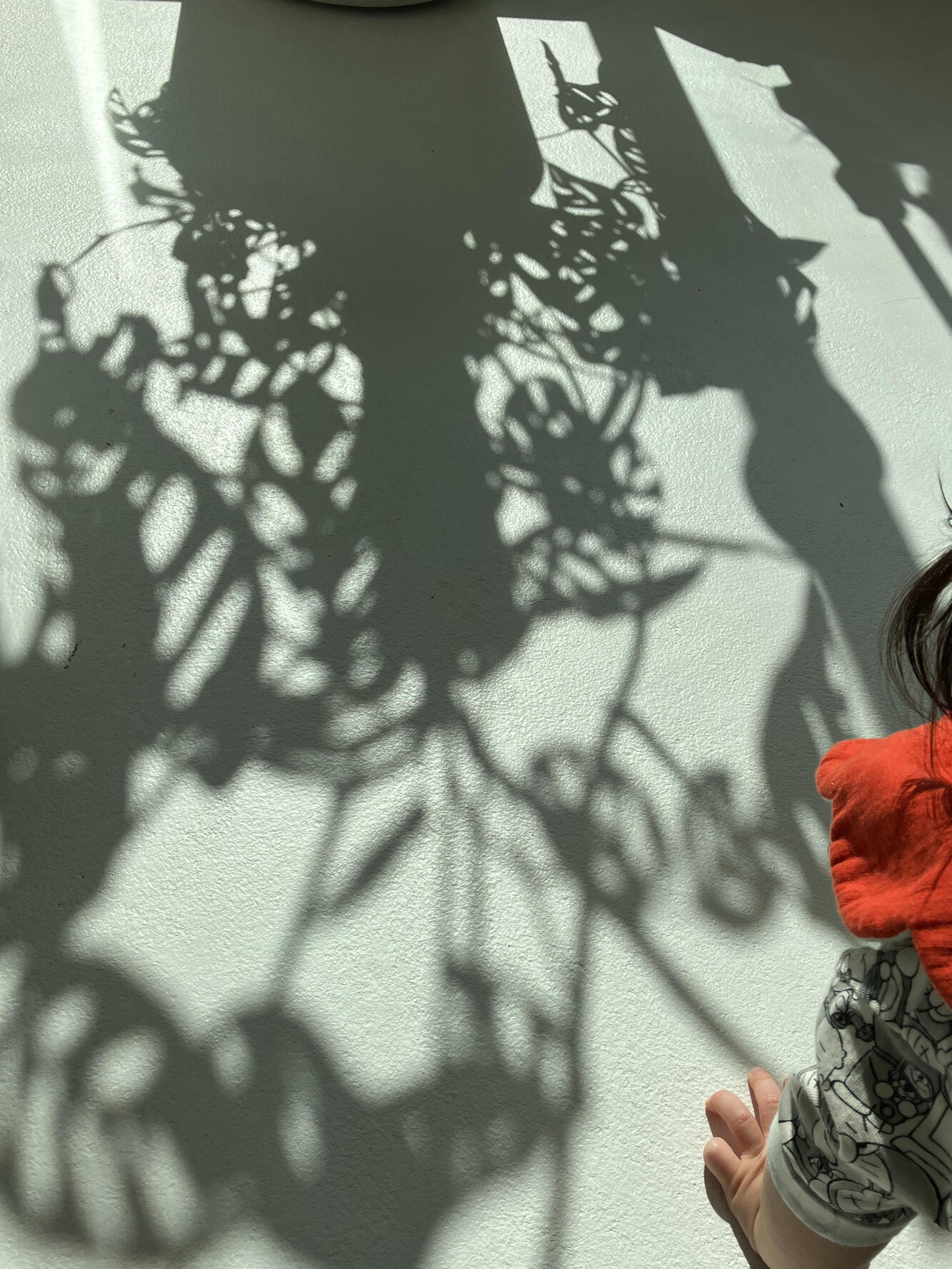
After a year of the context-based research, I compiled the digital edition of Listening to Space: The Early Childhood Environment as a Visible Curriculum in February 2025.
By the time a year had passed, the possibilities of learning — for both educators and children — had outgrown the walls and windows of the school, spreading into the building's tenants, the neighbourhood, the walks they take, the wider community. What I contributed was the first step. The conversation with the educators continues. Machino Community School Minami Aoyama continues its inquiry.
NEXT PROJECT
© Sumire IIKAWA | Project Shiro